Polymarket Negotiates a U.S. Return — CFTC Talks Could Reopen the Main Exchange
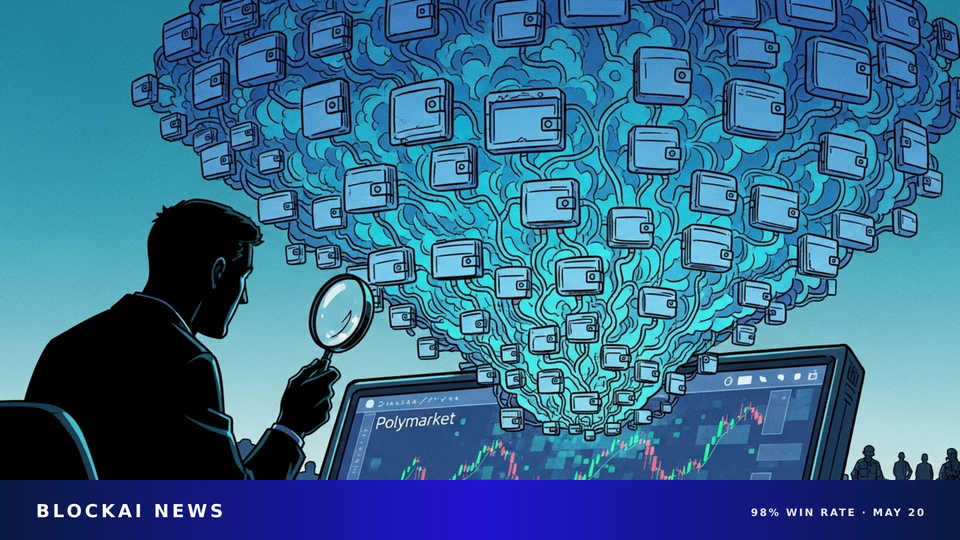
Polymarket is in active discussions with the CFTC about bringing its primary prediction-market exchange back to the United States, setting up a direct competitive face-off with Kalshi.


Polymarket is in active negotiations with the CFTC to relocate its main prediction-market exchange back to the United States, Bloomberg reported Tuesday. A successful return would end the four-year exile that began with the 2022 settlement forcing the company offshore, and would put the world's largest prediction market in direct head-to-head competition with Kalshi on home turf.
How the Path Back Got Clearer
Two regulatory shifts opened the door. First, the federal court rulings in 2024 establishing Kalshi's right to list event contracts on elections weakened the legal premise of the original Polymarket settlement. Second, the CFTC's own crypto-friendly turn — including the AI-augmented review pipeline detailed elsewhere in today's brief — has created a registration framework Polymarket can plausibly fit into. The mechanics likely involve a U.S.-domiciled subsidiary registered as a Designated Contract Market, with the Polygon-based contracts continuing offshore.
Kalshi vs. Polymarket Just Got Real
Kalshi spent four years building distribution while Polymarket couldn't legally serve U.S. users. That moat closes the moment Polymarket lists in the U.S. The two companies have very different shapes: Kalshi is a fully-licensed CFTC entity with cleaner regulatory standing but thinner liquidity; Polymarket dwarfs Kalshi in volume and brand recognition globally but starts behind on U.S. compliance infrastructure. The next 12 months will determine whether Kalshi's regulatory head start matters more than Polymarket's network effects.
What to Watch
Two milestones. First, whether the deal includes a settlement on the original 2022 charges or requires fresh enforcement closure. Second, how the on-chain Polymarket contract fits into a U.S. structure — splitting on-chain from regulated off-chain creates arbitrage opportunities and surveillance headaches that the CFTC will want to design around. Bloomberg's reporting suggests months, not weeks. But the direction of travel is unmistakable.
How we report: This article cites primary sources, regulatory filings, and on-chain data where available. BlockAI News uses AI tools to assist with research and first-draft generation; every article is reviewed and edited by a human editor before publication. Read our full How We Report page, Editorial Policy, AI Use Policy, and Corrections Policy.