Mashinsky's FTC Deal: $10M Cash, $4.7B Judgment Off the Table, and a Permanent Crypto Industry Ban
Alex Mashinsky reached a $10M FTC settlement that permanently bars him from any product or service used to deposit, exchange, invest or withdraw assets. The original $4.7B judgment is reduced; reporting and record-keeping obligations stretch up to 18 years. Mashinsky is already serving 12 years.


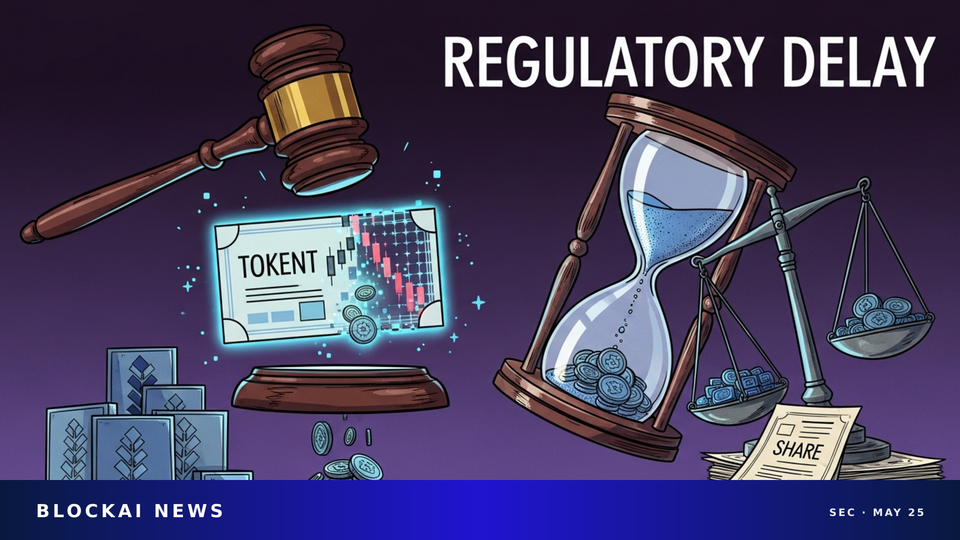
Alex Mashinsky, the founder and former CEO of collapsed crypto lender Celsius Network, has reached a settlement with the U.S. Federal Trade Commission that imposes a $10 million cash payment and a permanent ban on his participation in the cryptocurrency industry. The settlement reduces an initial $4.7 billion judgment tied to customer losses from Celsius's 2022 collapse — but adds reporting and record-keeping requirements that bind Mashinsky for up to 18 years. Mashinsky is already serving a 12-year federal prison sentence after pleading guilty to commodities fraud and CEL token price-manipulation in December 2024.
What "permanent crypto ban" actually covers
The FTC's order language is unusually broad. Mashinsky is "permanently restrained and enjoined from advertising, marketing, promoting, offering, or distributing, or assisting in the advertising, marketing, promoting, offering, or distributing of any product or service that can be used to deposit, exchange, invest, or withdraw assets, whether directly or through an intermediary." Read literally, that scope reaches well beyond crypto exchanges or lending platforms — it captures any consumer financial product Mashinsky might attempt to launch in any future career, including traditional fintech, payments, brokerage, or savings. The breadth is deliberate: the FTC has previously been criticized for ban orders narrow enough to allow re-entry through reframed product categories, and this language is engineered to close that escape.
Why $10M instead of $4.7B
The reduction from a $4.7B judgment to a $10M cash settlement reflects three realities. First, collectibility: Mashinsky's known assets are nowhere near $4.7B. The original judgment number reflected aggregate customer losses, not assets in reach of recovery. Second, parallel enforcement: Mashinsky's criminal conviction (12-year prison sentence, December 2024) and the bankruptcy-court restitution process for Celsius creditors are separate recovery channels — the FTC settlement doesn't displace those. Third, the ban itself is the core remedy: the FTC's primary objective in this matter was establishing a clear permanent injunction against re-entry, and structuring the cash component around what's actually collectable maximizes the durability and enforceability of the injunction.
The 18-year reporting and record-keeping obligations
The settlement order includes ongoing compliance obligations stretching up to 18 years — meaning Mashinsky must, for nearly two decades after release, file periodic reports about his employment, business activity, and financial holdings, and preserve records sufficient for the FTC to verify compliance with the ban. This is the longest-tail enforcement footprint the FTC has imposed in any crypto enforcement action to date, and creates a structural disincentive for any future employer to hire Mashinsky in a remotely customer-facing financial role even after his prison sentence concludes.
Our Take
Three angles worth flagging. One: this settlement is the cleanest civil-side closure to a major 2022-era crypto collapse to date. The combination of criminal conviction (DOJ), monetary restitution (bankruptcy court), and now permanent civil injunction (FTC) demonstrates that US regulators learned operational coordination lessons from FTX and Celsius — the multi-track enforcement approach that took years in earlier cases is happening within months in newer ones (see the rapidity of the SBF case, then the Mashinsky case). Two: the broad language of the ban is a template. Expect to see similar phrasing in future FTC orders against other crypto-industry bad actors — the FTC has now demonstrated the structure works without legal challenge from Mashinsky's side. Three: this matters for crypto industry hiring norms. Founders and executives of failed crypto businesses who would previously have rebranded and re-entered (the "Mt. Gox alumnus to new exchange" trajectory was a recurring pattern) will increasingly face permanent injunctions if their failure involved fraud — and counterparties (banks, exchanges, custodians) will increasingly screen against FTC ban orders as a standard KYC step for hiring senior leadership.
Daily Web3 × AI intel, straight to your inbox. Subscribe to BlockAI News.
How we report: This article cites primary sources, regulatory filings, and on-chain data where available. BlockAI News uses AI tools to assist with research and first-draft generation; every article is reviewed and edited by a human editor before publication. Read our full How We Report page, Editorial Policy, AI Use Policy, and Corrections Policy.