CFTC Sues New York as 38 AGs Back Massachusetts in Kalshi Showdown
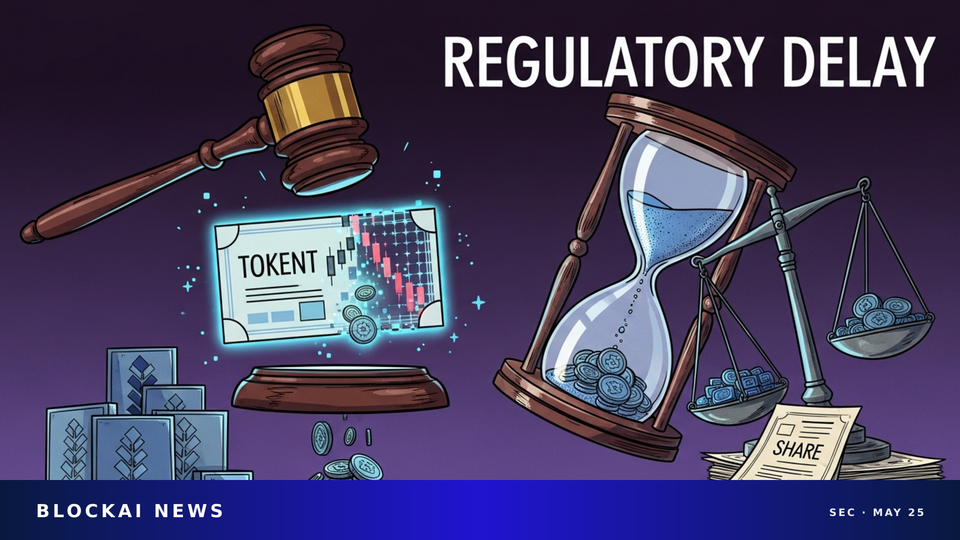
The CFTC sued New York to block state enforcement against prediction markets, while 38 attorneys general backed Massachusetts' case against Kalshi — a dual-front fight over who actually regulates event contracts.


The federal-state war over prediction markets escalated sharply Friday: the Commodity Futures Trading Commission sued New York to block state-level enforcement, while 38 attorneys general threw their weight behind Massachusetts' case against Kalshi.
Federal v. New York
The CFTC filed in the U.S. District Court for the Southern District of New York, naming Attorney General Letitia James, Governor Kathy Hochul, the New York State Gaming Commission, Executive Director Robert Williams and six commissioners as defendants. The agency argues state enforcement actions against prediction-market operators are preempted by federal law. New York is the fourth state the CFTC has sued in three weeks, after nearly identical complaints filed against Arizona, Connecticut and Illinois on April 2.
States v. Kalshi
On the same day, James joined 37 other attorneys general in an amicus brief supporting Massachusetts' case against Kalshi at the state's highest court. The coalition argues that Kalshi's contention that its contracts are "swaps" subject to exclusive CFTC oversight under Dodd-Frank misreads the 2010 statute, which they say was crafted to address the financial instruments behind the 2008 crisis — not to legalize sports gambling nationwide.
BlockAI News' View
This is the cleanest preemption fight crypto-adjacent markets have seen in years. If the CFTC wins, prediction markets get effectively national green-light status under one federal regulator; if the AGs prevail, every operator from Kalshi to Polymarket has to map a 50-state compliance surface. The outcome will reshape how on-chain prediction markets price legal risk for the rest of the cycle.
Daily Web3 × AI intel, straight to your inbox. Subscribe to BlockAI News.
How we report: This article cites primary sources, regulatory filings, and on-chain data where available. BlockAI News uses AI tools to assist with research and first-draft generation; every article is reviewed and edited by a human editor before publication. Read our full How We Report page, Editorial Policy, AI Use Policy, and Corrections Policy.