
Meta Bets on Space-Based Solar to Power AI Data Centers — Up to 1 GW From Orbit
Meta signed a contract for up to 1 gigawatt of space-based solar power to feed its AI data centers, the largest commercial commitment yet to a technology that has spent 50 years on the runway.

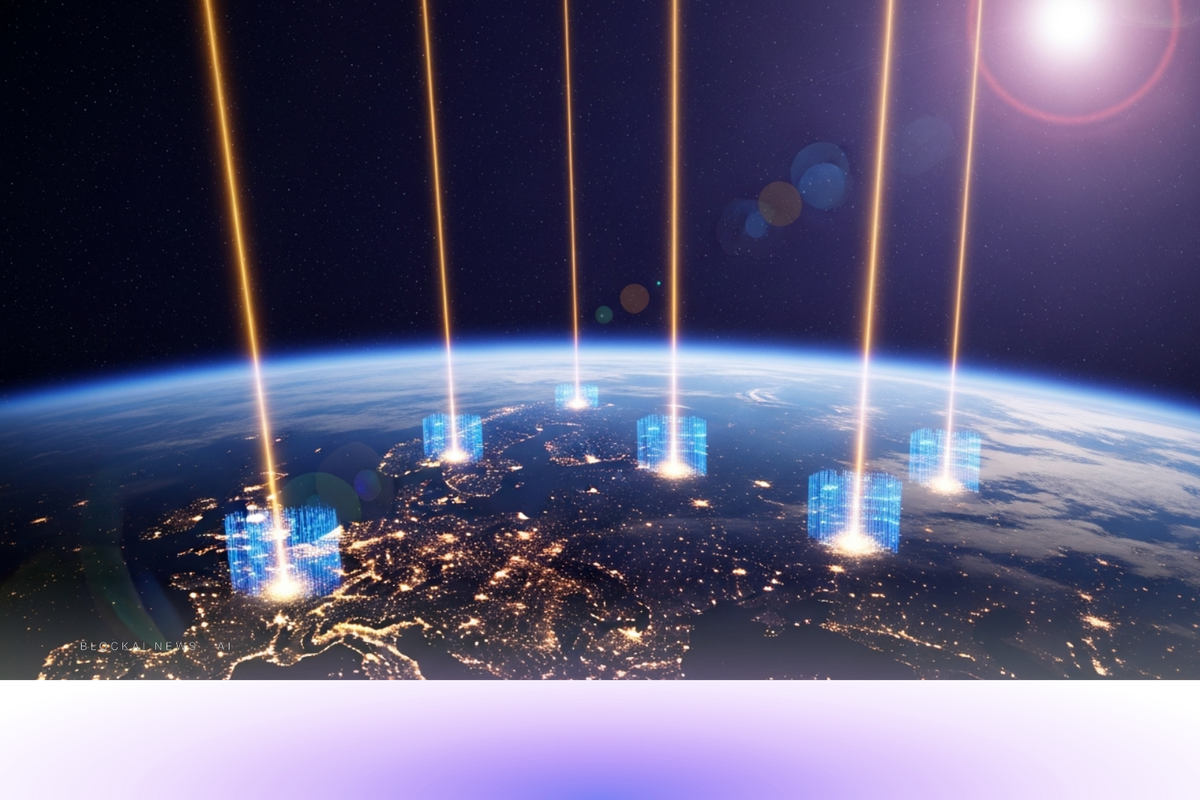
Meta has committed to up to 1 gigawatt of space-based solar power for its AI data center fleet, the company disclosed this week. The contract is the largest commercial deal ever signed for orbital solar — a technology proposed in 1968 and demonstrated in narrow pilots, but never deployed at utility scale.
The AI Power Crisis Just Got Stranger
One gigawatt is enough to power roughly 750,000 homes — or, in 2026 terms, a single hyperscale AI training cluster. Meta's data center electricity demand has tripled since 2023, and grid interconnection queues now run 5-7 years in most U.S. regions where the company wants to build. Space-based solar bypasses that bottleneck: power is collected in orbit and beamed down via microwave or laser to ground rectenna arrays, sidestepping permitting fights and intermittency issues that plague terrestrial solar.
The Technology Is Real — and Still Years from Real
The physics works. Caltech's MAPLE experiment beamed power down from orbit in 2023; Japan's JAXA has flagged a 2025 demo; the U.S. Air Force Research Laboratory is funding follow-on work. Commercial deployment at gigawatt scale is harder. Each satellite weighs hundreds of tons, requires next-generation launch capacity, and demands rectennas covering square kilometers. Meta's contract is structured as a phased commitment, not a 2026 delivery — first beam-down trials are likely 2028-2030.
BlockAI News' View
The deal isn't really about space. It's about Meta locking in optionality on power supply that doesn't depend on the U.S. grid, state utility commissions, or local zoning fights. Even if only 100 MW gets delivered by 2032, the contract gives Meta leverage in every other power negotiation it conducts between now and then. AI hyperscalers have run out of ordinary places to source electrons. Orbit was always next.
Sources
https://decrypt.co/365876/meta-space-based-solar-energy-power-ai-data-centers-earth
How we report: This article cites primary sources, regulatory filings, and on-chain data where available. BlockAI News uses AI tools to assist with research and first-draft generation; every article is reviewed and edited by a human editor before publication. Read our full How We Report page, Editorial Policy, AI Use Policy, and Corrections Policy.