Microsoft to Banks: Your Infrastructure Won't Survive AI Agents Doing the Heavy Lifting
Microsoft warned that legacy banks are approaching a breaking point as AI agents start executing transactions at machine speed — requiring an overhaul of identity, authorization, and audit systems built for human users.

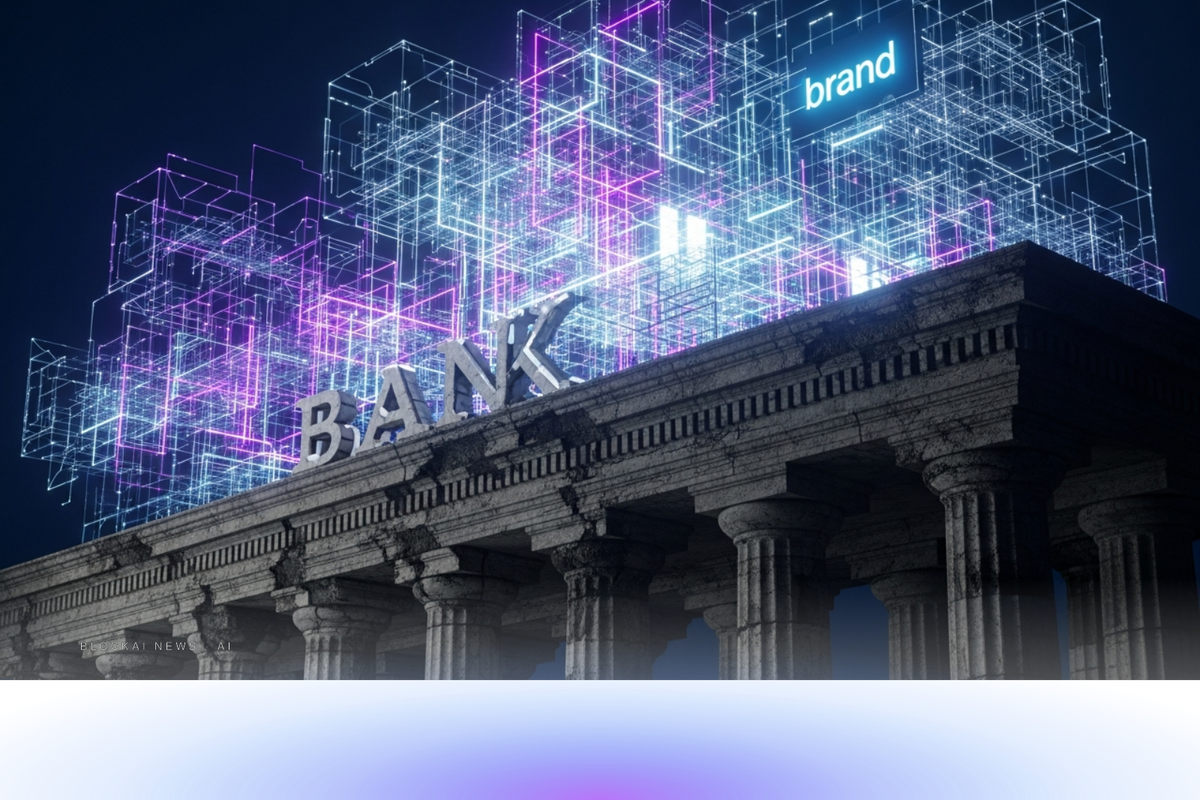
Microsoft used a Tuesday banking-summit keynote to deliver a blunt message: legacy banks are days away from a breaking point if they don't overhaul their core infrastructure for AI agent traffic. The framing — "machine identity is the new customer identity" — is a sales pitch wrapped around a technically accurate warning.
Where the Stress Actually Hits
Bank infrastructure is built around a fundamental assumption: a human is at the other end of every authorization. KYC, MFA, transaction velocity limits, fraud heuristics — all calibrated to human reaction times and human error patterns. AI agents change every variable. They authenticate thousands of times a minute, transact in millisecond bursts, and behave with consistency that fraud models read as anomalous. The result, Microsoft argues, is that legacy core banking platforms either rate-limit agents into uselessness or wave them through with minimal oversight. Both fail.
"Machine Identity" Is the Sales Pitch
Microsoft's proposed solution is unsurprisingly Microsoft-shaped: Entra-based machine-identity tiers, agent-specific authorization scopes, and Azure AI compliance overlays that integrate with banks' existing core systems. The pitch is technically reasonable and commercially aggressive — Microsoft is trying to land Entra inside every Tier-1 bank's procurement cycle before AWS and Google ship comparable agent-identity products with their own banking partners.
BlockAI News' View
The "agents will break legacy banking" framing is right, but the timeline is being compressed. Most banks won't see consumer-facing AI agent volume until 2027 at scale. The real near-term pressure is internal: banks deploying agents inside their own ops teams (KYC review, regulatory filing, treasury balancing) hitting their own access-control walls. Whoever ships agent-identity primitives that work with COBOL-era core systems wins the next decade of bank software contracts.
How we report: This article cites primary sources, regulatory filings, and on-chain data where available. BlockAI News uses AI tools to assist with research and first-draft generation; every article is reviewed and edited by a human editor before publication. Read our full How We Report page, Editorial Policy, AI Use Policy, and Corrections Policy.