Bitcoin Developers Call Paul Sztorc's eCash Fork 'Hazardous' — August Launch Would Reassign Satoshi's Coins
Bitcoin developer Paul Sztorc plans an eCash hard fork on August 21, 2026 (block ~964,000): 1:1 BTC airdrop plus manual reassignment of Satoshi's dormant coins to early investors. Rootstock's Sergio Lerner warned the mechanism is 'hazardous' due to replay attack risk and cold storage exposure.

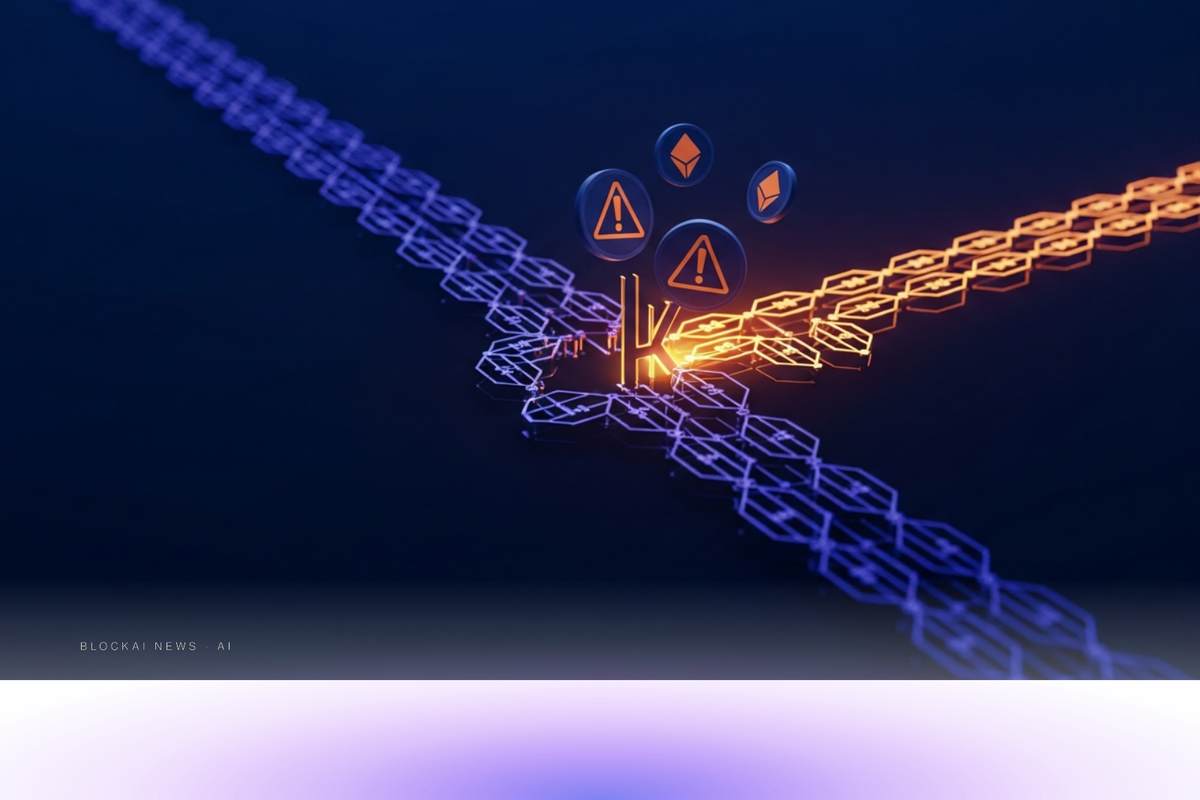
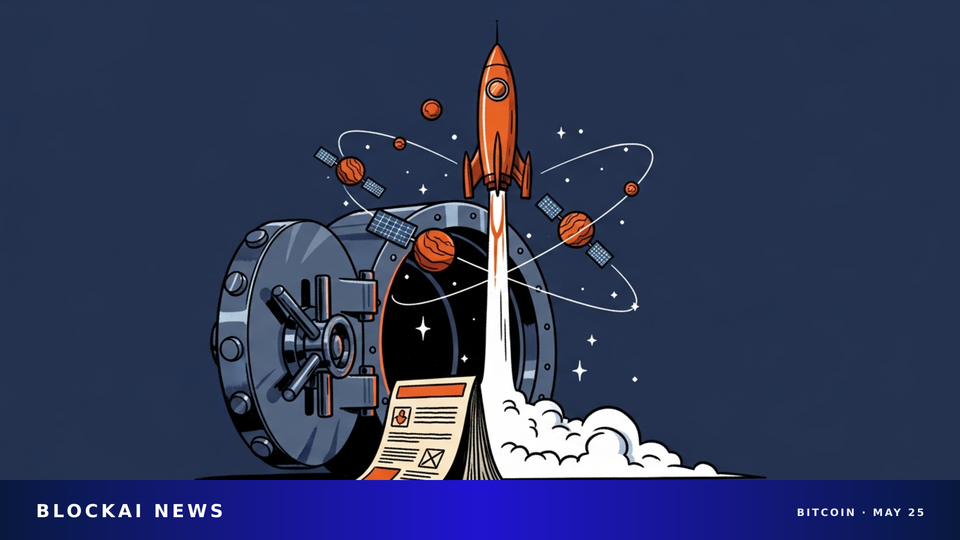
Bitcoin developer Paul Sztorc has announced plans to launch a hard fork of Bitcoin called eCash on August 21, 2026, at block height approximately 964,000. The fork would give every existing BTC holder one eCash token per coin held at the chain split — a 1:1 airdrop — copying Bitcoin's full transaction history onto a new chain. The proposal has drawn immediate pushback from prominent Bitcoin developers, led by Sergio Lerner, co-founder of Rootstock Labs, who labeled the airdrop mechanism "hazardous" and warned that its technical design exposes users to replay attacks. The most contentious element: Sztorc's plan to manually reassign hundreds of thousands of eCash tokens that would otherwise map to Satoshi Nakamoto's dormant addresses, distributing them instead to early eCash investors, developers, and project funders before the fork goes live.
What Sztorc Is Building and Why
Sztorc is the creator of the Drivechain proposal — a Bitcoin sidechain architecture that has been debated in the developer community for years without reaching consensus for mainchain activation. eCash is Sztorc's alternative path: rather than waiting for Bitcoin to adopt Drivechains as a soft fork, he is launching an independent chain that incorporates Drivechain-style sidechain functionality from genesis and seeds it with Bitcoin's full UTXO history via the 1:1 airdrop.
The structure: at block 964,000, the eCash chain forks from Bitcoin's history. Every UTXO that exists on Bitcoin at that block is replicated on eCash — meaning every BTC holder automatically has an equal eCash balance accessible with the same private key. The explicit goal is to create a chain that the Bitcoin community can explore Drivechain functionality on without requiring a consensus-level change to Bitcoin itself.
The Satoshi coin reallocation is where developer opposition crystallizes. Of the approximately 1.1 million BTC in dormant P2PK addresses associated with early mining patterns (the "Patoshi pattern," widely attributed to Satoshi), Sztorc intends to reassign between 500,000 and 600,000 eCash tokens — those that would otherwise represent Satoshi's holdings on the new chain — to early investors, developers, and project funders before the fork launches. Sztorc's rationale: Satoshi has not moved coins in 15 years and may be unreachable or deceased; the eCash project needs funding and community alignment; and the new chain has no obligation to preserve an allocation that its creator cannot access. Critics — including Peter McCormack, who called it "theft and disrespectful" — argue that deliberately redistributing dormant coins violates the property-rights principle that makes Bitcoin credible as a store of value.
The Two Technical Dangers Developers Are Warning About
Replay protection gap. When Bitcoin Cash forked from Bitcoin in 2017, it implemented full replay protection from day one — a cryptographic mechanism that prevents a transaction signed for one chain from being valid on the other. Without replay protection, an attacker (or a user's own mistake) can take a signed transaction from one chain and broadcast it on the other, potentially draining funds from both chains simultaneously with a single signing operation. eCash's current technical specification lacks complete replay protection. Lerner's warning is specific: users who attempt to claim or sell their eCash by importing their private keys into eCash-compatible wallet software will be exposed to replay risk unless specialized software handles the separation correctly. That risk is acute in the first weeks after the fork, before wallet developers have fully implemented chain-specific transaction handling.
Cold storage interaction risk. The 1:1 airdrop sounds passive, but collecting eCash requires the private key to interact with eCash-chain software. For users with hardware wallets (Ledger, Trezor) or air-gapped cold storage, there is no passive receipt — the private key must leave its secure environment for at least one signing operation to access the airdrop. This creates a security moment that can be exploited by malicious eCash wallet software. The institutional dimension is significant: corporate treasuries and ETF sponsors — including MicroStrategy (818,334 BTC), BlackRock IBIT, and Fidelity FBTC — must now establish formal policies on whether they will interact with the fork at all, and which custodian controls the keys involved.
Our Take
eCash is not a threat to Bitcoin. The chain will almost certainly trade at a steep discount to BTC, the Bitcoin developer community is not switching, and Bitcoin's consensus rules are unchanged. The threat is to individual holders who don't realize they need to make an active decision by August 21 — and to the institutional infrastructure that will be forced into policy formation on an accelerated timeline.
The IRS dimension is real and underappreciated: IRS Revenue Ruling 2019-24 treats hard fork airdrops as ordinary income at the moment a holder obtains "dominion and control." If you hold Bitcoin in a self-custody wallet at block 964,000, you may owe income tax on the fair market value of your eCash position — even if you never actively claimed it. The ambiguity around "dominion and control" (does receiving an airdrop automatically constitute control, or only claiming it?) has not been litigated for a fork of this size. ETF sponsors will need to publish guidance; institutional custodians will need legal opinions.
Watch for three specific developments in the next 60 days: ETF sponsor policy statements (SEC EDGAR filings from BlackRock, Fidelity, and Grayscale will be the first authoritative institutional position); Sztorc's replay protection commitment (if he publishes a formal replay-protection specification before August, the "hazardous" label becomes less accurate; if he doesn't, the developer warnings stand); and the bitcoin-dev mailing list's formal response, which will determine whether the Bitcoin community treats this as a trivial side-chain experiment or a precedent-setting governance challenge.
Daily Web3 × AI intel, straight to your inbox. Subscribe to BlockAI News.
How we report: This article cites primary sources, regulatory filings, and on-chain data where available. BlockAI News uses AI tools to assist with research and first-draft generation; every article is reviewed and edited by a human editor before publication. Read our full How We Report page, Editorial Policy, AI Use Policy, and Corrections Policy.