Freezing 5.6M Dormant BTC Could Be 'Worst Single-Day Repricing in Bitcoin's History,' Critics Warn
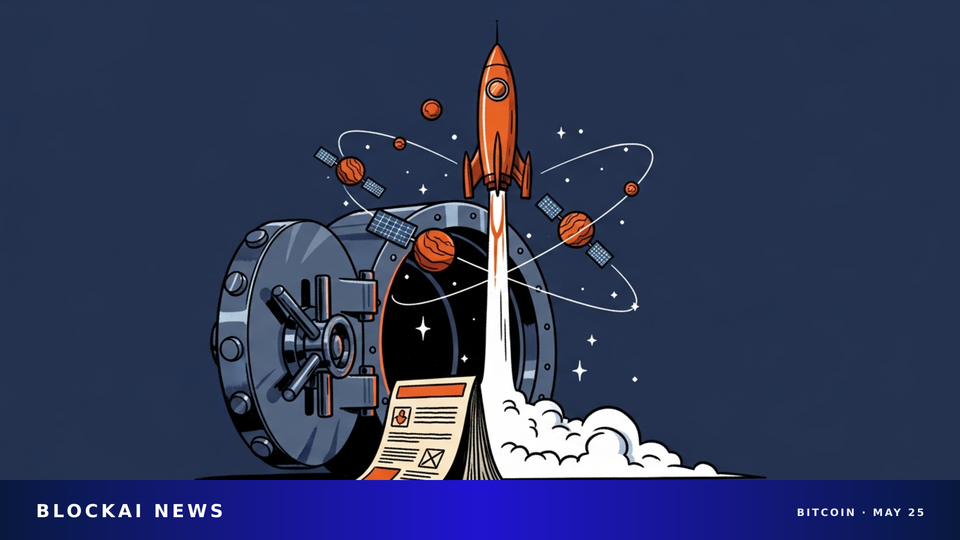
BIP-361, drafted by Jameson Lopp and other core devs, would phase out Bitcoin's current cryptographic signatures and freeze ~5.6M dormant BTC (~$440B, 28% of supply) to protect them from quantum attacks. Critics say it would shatter Bitcoin's core value prop in a single day.

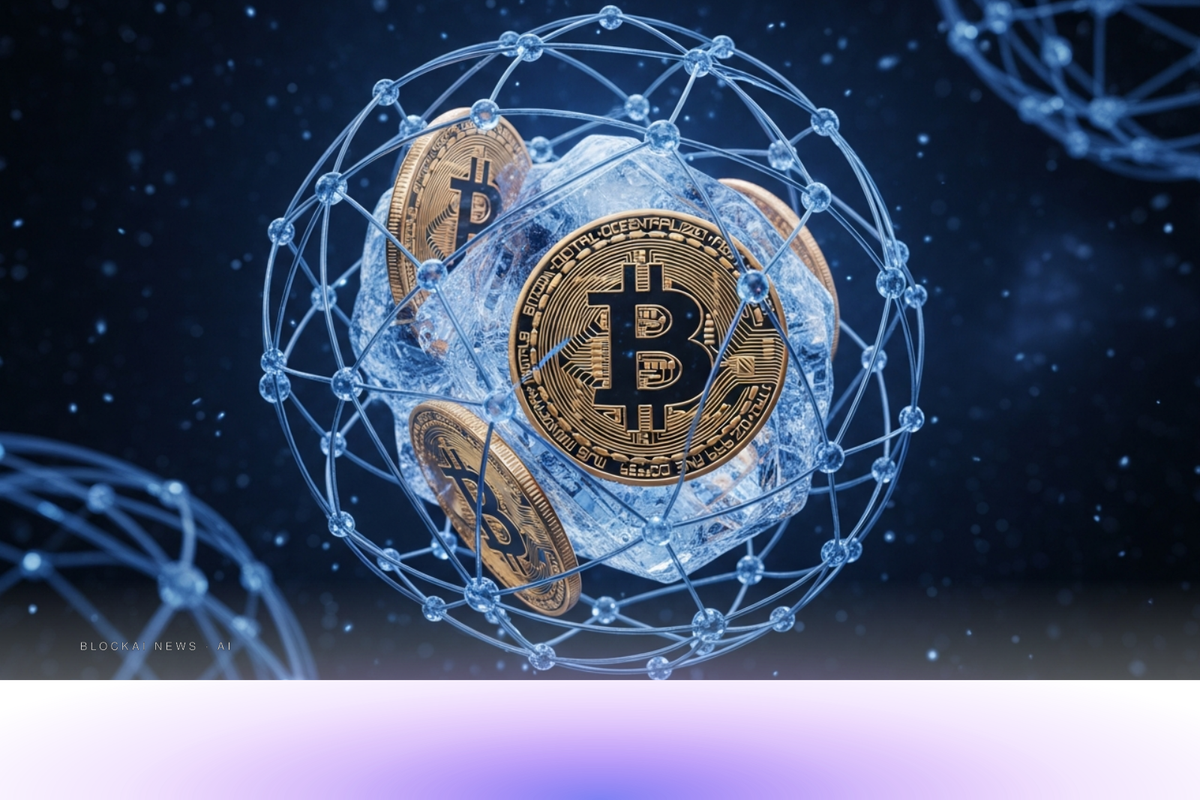
The Bitcoin community is in open civil war over BIP-361, a proposal that would phase out the network's current cryptographic signatures and effectively freeze any coins that fail to migrate — including roughly 5.6 million dormant BTC, worth around $440 billion at current prices.
The quantum case
BIP-361 author Jameson Lopp argues that quantum computing will eventually break Bitcoin's secp256k1 curve, and that he would rather see ~28% of all bitcoin frozen by the network than left for future quantum attackers to drain on-chain. The proposal contemplates a multi-phase migration to post-quantum signatures, with hard deadlines after which legacy outputs become unspendable. The 5.6 million figure roughly matches the BTC that has not moved in over a decade — the so-called Satoshi-era dormant supply.
The market case against
Critics — led by maximalists and several top exchanges — argue the cure is worse than the disease. Their thesis: Bitcoin's value proposition rests on unconditional, censorship-resistant ownership. Freezing 5.6M coins, even for a safety reason, breaks that promise the moment it ships. One widely shared rebuttal: "the repricing would be instant, not gradual, and it would be the worst single day in bitcoin's history — not because of a hack, but because the network will have proven its core value proposition is negotiable."
Our Take
BIP-361 is a stress test of what Bitcoin actually is. If the chain proves itself willing to confiscate even provably lost coins to defend the network, it makes future, narrower interventions politically thinkable — and that is the part the maximalist camp can't abide. Watch Adam Back's optional-upgrade counter-proposal from April 16; it is the most credible compromise path and the likeliest version of post-quantum migration to actually ship — if anything ships at all.
Daily Web3 × AI intel, straight to your inbox. Subscribe to BlockAI News.
How we report: This article cites primary sources, regulatory filings, and on-chain data where available. BlockAI News uses AI tools to assist with research and first-draft generation; every article is reviewed and edited by a human editor before publication. Read our full How We Report page, Editorial Policy, AI Use Policy, and Corrections Policy.