Visa Hits $7B Stablecoin Run Rate, Adds Base, Polygon, Canton, Arc and Tempo to Settlement Network
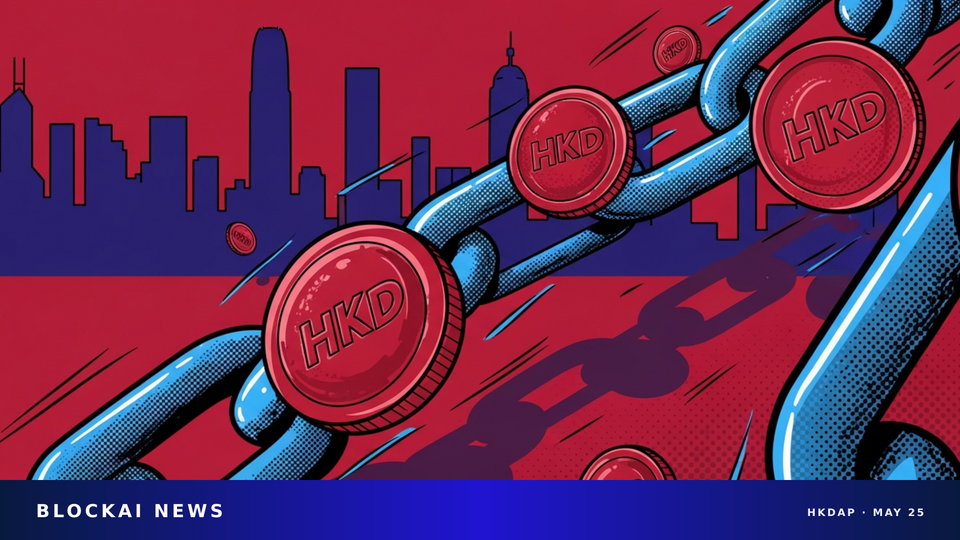
Visa expanded its stablecoin settlement pilot to nine blockchains by adding Base, Polygon, Canton Network, Arc and Tempo, joining existing support for Ethereum, Solana, Avalanche and Stellar. Annualized stablecoin settlement volume hit $7 billion — up 50% quarter-over-quarter.


Visa has expanded its stablecoin settlement pilot from four blockchains to nine, adding Base, Polygon, Canton Network, Arc and Tempo to existing support for Ethereum, Solana, Avalanche and Stellar. According to Visa's official April 29 announcement, the program has reached a $7 billion annualized stablecoin settlement run rate — up 50% quarter-over-quarter — and now covers a multi-chain footprint that explicitly mirrors how Visa's partner banks and processors are choosing to deploy.
What's actually being settled
Visa's stablecoin settlement program lets issuers, acquirers and select fintech partners settle Visa transactions using USDC and EURC (and select other regulated stablecoins) instead of traditional fiat wires. The flow: an issuer in one geography settles its position with Visa not via SWIFT but by sending stablecoin on-chain; Visa then settles outwards to acquirers in their preferred currency. The cycle compresses settlement from T+1 / T+2 down to near-real-time, removes correspondent bank intermediation, and lets partners avoid pre-funding nostro accounts in jurisdictions where USD liquidity is expensive or constrained.
Why the new chain choices matter
The five additions aren't generic. Each one represents a specific institutional wedge. Canton Network brings configurable on-chain privacy designed for regulated capital-markets use cases — Goldman Sachs, BNY and Deutsche Börse are existing Canton participants, and Visa's adoption signals that bank treasury teams want stablecoin settlement on a chain their compliance leadership recognizes. Polygon and Base are the two highest-volume EVM L2s by stablecoin TVL, and Visa adding them means partner fintechs can now settle on the chains they already use for consumer-facing products. Arc (Circle's purpose-built payments chain) and Tempo (focused on private, high-throughput stablecoin liquidity) round out the institutional stack.
Rubail Birwadker, Visa's global head of growth products and strategic partnerships, framed it directly: "Our partners are building in a multi-chain world, and they expect their options to reflect that reality." The implicit message: Visa is no longer agnostic about chain choice — it's actively underwriting which blockchains carry Visa-grade settlement.
The competitive read
Two competitive dynamics worth tracking. First, Mastercard's parallel Multi-Token Network covers fewer chains and posts no public settlement run-rate figure — Visa's $7B annualized number is now the public benchmark, and Mastercard will need to respond. Second, the chain operators themselves benefit asymmetrically: Base in particular gets a bank-grade endorsement that materially strengthens Coinbase's pitch to institutional issuers, and Solana retains its position as the only non-EVM chain in the original four. The chains conspicuously absent from the list — Tron, BNB Chain, TON — remain where most retail stablecoin volume actually lives, suggesting Visa is drawing a clean line between regulated rails and consumer rails.
What to Watch
Three threads for the next quarter. Run-rate trajectory: $7B annualized at +50% QoQ implies a $15B+ exit pace by Q4 if the trajectory holds; if it accelerates, it will reframe stablecoin payments from "experiment" to "operating reality" inside Visa's revenue mix. Mastercard's countermove: expect a Multi-Token Network expansion announcement within 60 days. Disclosure of partner banks: Visa hasn't named the issuers and acquirers using stablecoin settlement; the first major US bank to publicly confirm will be a watershed for institutional adoption framing. Watch Visa's Q3 earnings call commentary in late July for partner-name leakage.
Daily Web3 × AI intel, straight to your inbox. Subscribe to BlockAI News.
How we report: This article cites primary sources, regulatory filings, and on-chain data where available. BlockAI News uses AI tools to assist with research and first-draft generation; every article is reviewed and edited by a human editor before publication. Read our full How We Report page, Editorial Policy, AI Use Policy, and Corrections Policy.