Polymarket V2 Goes Live Today: pUSD Replaces USDC.e, V1 Shuts Down After Migration
Polymarket's V2 exchange launches today with one hour of scheduled downtime at 11:00 UTC. The upgrade introduces pUSD — a new 1:1 USDC-backed collateral — retires USDC.e, cancels all open V1 limit orders, and ships behind a $5M bug bounty and audits from Cantina and Quantstamp.

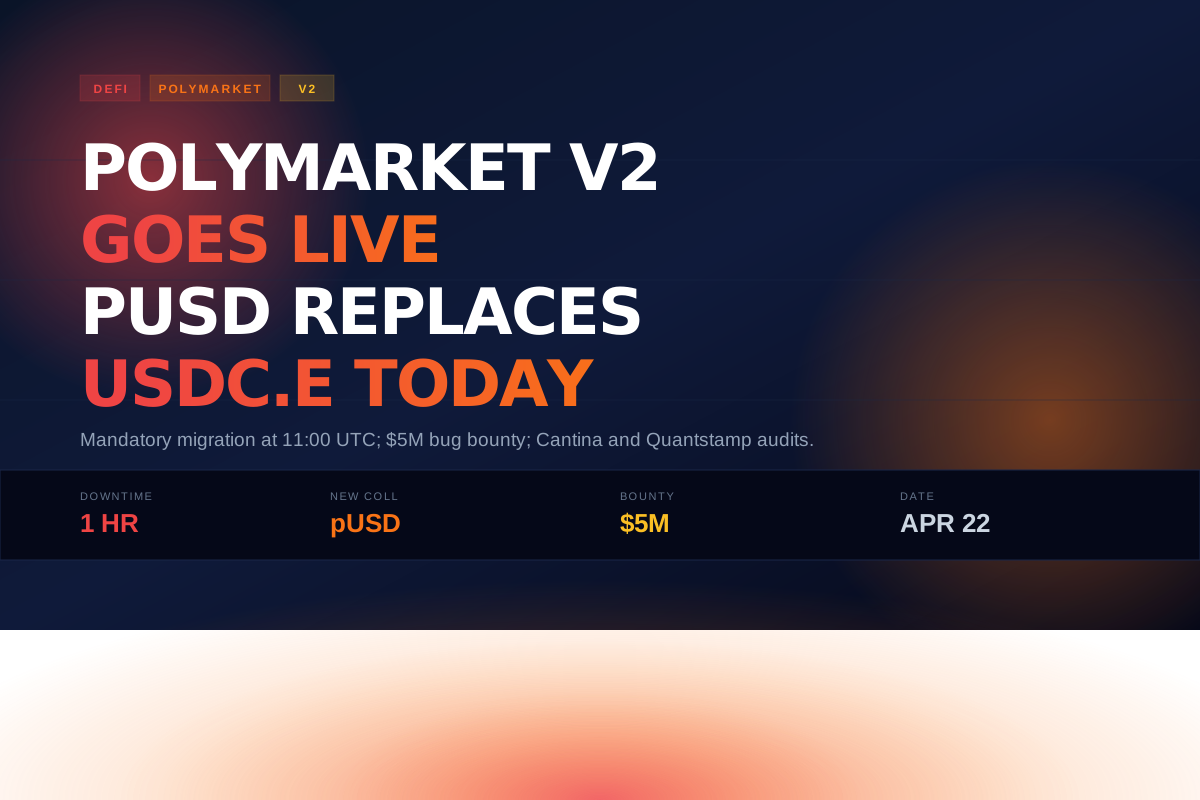
Prediction-market leader Polymarket is activating its V2 exchange on Wednesday, April 22, with roughly one hour of scheduled downtime beginning at 11:00 UTC. The upgrade retires V1 permanently after the migration window.
What changes
V2 introduces pUSD, a new collateral token that replaces USDC.e on Polygon. pUSD is backed 1:1 by USDC, and migration from USDC.e is mandatory for all users. During the downtime, every active V1 limit order is automatically cancelled; user funds and open positions remain safe through the migration.
Infrastructure and security
V2 ships redesigned smart contracts and trading infrastructure, with a $5 million bug bounty active at launch. The new contracts have been audited by Cantina and Quantstamp, and the source is open for independent review. Developers face a stricter transition: API integrations must upgrade SDKs and adapt to a new EIP-712 domain version; a hot-swap mechanism covers most client connections, but manual integrations require direct adjustments.
Why it matters
Polymarket has become the largest on-chain venue for event markets over the past cycle. Replacing bridged USDC.e with a purpose-issued, 1:1 backed pUSD removes a long-standing collateral-path risk; a $5M bounty plus two audits sets a bar that peer prediction markets now have to match.
BlockAI Take
A mandatory collateral migration with a one-hour kill-switch is a serious operational event — the kind most DeFi protocols avoid because limit-order cancellations and API-break changes generate user friction. Polymarket running it in public suggests confidence in the hardening work and a willingness to pay short-term UX cost for a cleaner long-term trust story. The tell over the next 72 hours is whether open interest recovers to pre-migration levels; if it does, V2 becomes the new baseline the rest of the prediction-market stack will be measured against.
Track every DeFi move in real time. Subscribe to the BlockAI News daily brief.
How we report: This article cites primary sources, regulatory filings, and on-chain data where available. BlockAI News uses AI tools to assist with research and first-draft generation; every article is reviewed and edited by a human editor before publication. Read our full How We Report page, Editorial Policy, AI Use Policy, and Corrections Policy.